

Daylight Saving Time, commonly known as DST, is a time-related rule that affects the daily routines of millions of people every year. It essentially means that clocks are adjusted twice a year to make better use of daylight. In the US, during 2026, people will set their clocks forward one hour in March and back one hour in November. This is known as “spring forward” and “fall back.“
When the clocks are moved forward, there is more daylight in the evenings. This means people can go outside after work, school, or other daily responsibilities to take walks, play with their children, or spend time with friends and family. It’s not just a change in daylight; it also impacts people’s moods, social lives, and even their health.
Daylight Saving Time Dates in 2026
In 2026, Daylight Saving Time in the US will begin on Sunday, March 8th. On that day, at 2:00 AM, the clocks will be moved forward to 3:00 AM. This means we will lose an hour of sleep that night. While this may seem like a small change, many people feel tired that day as their bodies adjust to the sudden shift in time.
DST will then continue throughout the summer and fall months. Then, on Sunday, November 1st, 2026, at 2:00 AM, the clocks will be moved back to 1:00 AM. This is called “fall back.” This change gives people an extra hour, allowing them to sleep a little longer or relax.
[also_read id=”13″]
How Daylight Saving Time Began
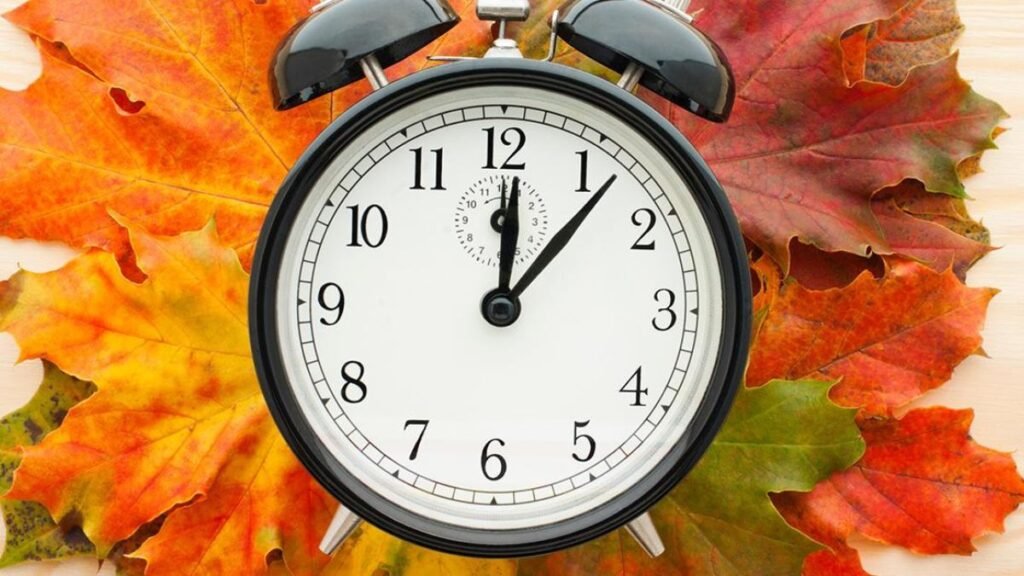
The concept of Daylight Saving Time is not new. It originated many decades ago when electricity was not readily available in every home. At that time, people’s lives were more dependent on sunlight. If there was more daylight in the evenings, fewer lamps and bulbs would need to be used in homes, thus saving energy.
Over time, electricity became commonplace, but the idea of DST persisted. Even today, governments believe that more daylight in the evening keeps people more active, increases activity in markets, and, to some extent, saves energy.
Daylight Saving Time and Our Daily Lives
DST is not just about changing the clock; it also affects our habits. In March, when the clocks are moved forward, many people initially find it difficult to wake up early in the morning. Getting children ready for school, arriving at work on time, and getting enough sleep can be somewhat challenging.
On the other hand, having more daylight in the evening means people spend more time outdoors. People go for walks, play sports, and social activities increase. This is also considered good for mental health, as natural light improves mood.
Which Countries Observe Daylight Saving Time?
Daylight Saving Time is not uniform across the world. Most parts of the US and Canada observe it, but some states like Hawaii and Arizona, do not. Many European countries also follow DST, although their dates may differ from the US.
On the other hand, in Asia, Africa, and many countries near the equator, day and night are almost equal, so there is no need for DST. If you are traveling abroad or talking to someone living in another country, understanding the time difference becomes very important.
Economic and Environmental Impact of Daylight Saving Time
A major advantage of DST is considered to be that it encourages people to go out more in the evenings. This benefits restaurants, shops, parks, and tourism-related businesses. People spend more on shopping and entertainment, which boosts the local economy.
However, some studies also suggest that energy savings are not very significant these days, as people now use more appliances like air conditioners, computers, and TVs. Additionally, for a few days immediately after the time change, there may be an increase in road accidents and workplace errors, as people haven’t fully adjusted to the new time.
[also_read id=”15″]
How to Prepare for Daylight Saving Time
A little preparation can go a long way when it comes to changing the clocks. A few days before the clocks spring forward in March, you can try going to bed a little earlier each night to help your body gradually adjust to the new time.
Your phones, computers, and smart devices usually adjust automatically, but you’ll need to manually set wall clocks, microwaves, and wristwatches. If you have an important meeting, school, or travel plans the next day, don’t forget to set your alarm for the correct time.
Conclusion
While Daylight Saving Time 2026 may only involve a one-hour change, its effects ripple through our entire lives. It impacts our sleep-wake cycles, work schedules, travel plans, and even our moods. By understanding the dates and the reasons behind it, you can navigate this transition more smoothly. With the right preparation and a little foresight, you can make the most of the extra daylight and enjoy a brighter day.